

What Should an OEM Ophthalmic Instrument Table Specification Include?
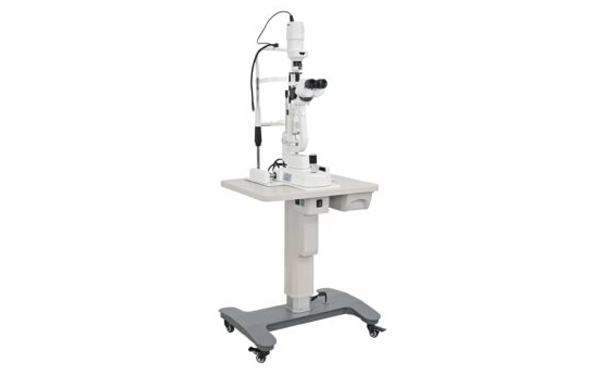
A logo and a tabletop sketch leave many manufacturing decisions unresolved. We turn an OEM request into a testable specification before discussing production approval.
An OEM ophthalmic instrument table specification should define intended use, instruments, dimensions, loads, electrical needs, controls, documentation, sample acceptance, and change responsibilities. We separate requirements from assumptions so the buyer and manufacturer can agree on the same product before production.
For distributors developing a branded range, this brief is more useful than a long list of optional features. It connects the equipment the customer needs with the evidence required to approve a repeatable configuration.
Which Clinical and Installation Requirements Should Start the OEM Brief?
A table designed around an unnamed instrument can disappoint when the real device arrives. We start with users, equipment, and the intended room.
We begin the OEM brief with the intended instruments, users, examination tasks, installation conditions, and access requirements. These inputs guide the mechanical and electrical design; appearance and branding follow a clearly described working configuration.
Describe the use case without prescribing the design
We ask the buyer to list which instruments the table will support and how they are used. Include dimensions, manufacturer-supplied weights, controls, patient contact areas, and any required movement. A device that occupies little tabletop space may still need a large operating envelope when its controls, cables, or patient position are considered.
The user description should cover both the clinician and the patient. Will the table serve one station or move between rooms? Is front or side access required? Will patients remain in a wheelchair for the intended task? These are project inputs, not automatic claims that a proposed design will meet every access requirement.
We also distinguish a product requirement from a suggested solution. "The intended user must reach the controls in the approved working position" describes an outcome. "Put the control on this edge" proposes one way to achieve it. Keeping the distinction clear gives the manufacturer room to identify a better arrangement while preserving the buyer's actual need.
Record the installation assumptions
We request the intended market, supply environment, room conditions, delivery constraints, and installation responsibilities. A distributor selling in several markets may need different configurations. Those differences should be explicitly identified rather than left to a final-stage label change.
Our ophthalmic motorized table page can provide a starting point for the product discussion. For a custom project, we recommend attaching a requirement sheet and drawings of the intended instruments. Mark unknown information as pending. A visible unanswered question is easier to resolve than a hidden assumption that reaches the sample stage.
| Brief element | Buyer input | Decision it supports |
|---|---|---|
| Instruments | Models, dimensions, weight, operation | Layout and support |
| Users | Intended approach and controls | Access and usability |
| Installation | Room, power, delivery route | Configuration and preparation |
| Markets | Intended destinations and responsibilities | Documentation planning |
What Mechanical, Electrical, and Usability Specifications Need Agreement?
A dimensions list does not explain how a loaded table should behave. We connect each technical requirement to a defined configuration and verification method.
We agree on the tabletop, base, supported load, movement, controls, cable handling, electrical configuration, and surface requirements. Each item should identify its operating conditions and how compliance with the agreed specification will be checked.
Define the mechanical configuration precisely
We recommend documenting the tabletop shape, relevant dimensions, mounting interfaces, base arrangement, and the instruments covered by the design. The load definition should identify the components and their intended positions, not merely a headline weight. If the product uses a moving top or arm, the required operating range and clearance need review with the installed equipment.
Stability, movement, access, and serviceability belong in the same conversation. A design may fit the instruments but leave insufficient access for cleaning or approved maintenance. A cable opening can look tidy while creating tension during movement. We ask the engineering team to review the full operating envelope and identify any constraints the buyer must preserve.
The quotation should separate standard features from proposed modifications. A feature shown on a reference image should not become an included item by assumption. Keep the approved drawing and configuration list under a shared revision identifier so both parties know which version is being discussed.
Include power and everyday handling
We ask qualified personnel to define the electrical input, outlets if included, control arrangement, cable routing, and applicable safety requirements. The intended market and final configuration matter. An electrical feature available on one version should not be presumed suitable for every destination or instrument combination.
Usability requirements should describe who operates the controls, how the table is positioned, and which surfaces need routine care. Specify finish and upholstery requirements where relevant, together with the appropriate care documentation. We prefer a small set of observable acceptance points to vague terms such as "premium", "universal", or "fully ergonomic".
| Specification area | Requirement to define | Evidence to agree |
|---|---|---|
| Structure | Layout, interfaces, load conditions | Controlled drawings and assessment |
| Movement | Intended positions and clearances | Configuration-specific tests |
| Electrical | Supply, controls, included outlets | Applicable technical documentation |
| Usability | Reach, handling, care access | Documented sample evaluation |
How Should Buyers Define Sample Testing, Documentation, and Market Requirements?
A visually approved sample may still leave functional or documentation gaps. We define acceptance before the sample is built, not after it is delivered.
We agree on sample configuration, test responsibilities, required records, documentation, and market-specific review before approval. Sample acceptance should identify what was checked and what remains outstanding; it should not be treated as blanket regulatory approval.
Create an acceptance plan that matches the brief
We recommend assigning a verification method to each important requirement. Some items can be checked against drawings or the bill of materials. Others require dimensional inspection, a documented functional test, or an assessment by appropriately qualified personnel. The method should be proportionate to the requirement and agreed before the result is available.
A sample review should include the actual instruments or suitable agreed representations of the intended configuration. Document the tabletop arrangement, load conditions, movement, controls, cable paths, and access. If the buyer approves a sample without the proposed instruments, record what still needs confirmation before a final production decision.
Packaging and identification also deserve an acceptance route. Agree on product labels, instructions, handling information, packing configuration, and the evidence needed for the planned transport route. We do not equate a sturdy-looking crate with demonstrated transport performance. The buyer and manufacturer should decide what assessment is appropriate for the project.
Separate project acceptance from market access
We advise identifying who is responsible for applicable product requirements, technical files, labelling, testing, and market-entry obligations. The answers depend on the product's intended use, configuration, branding arrangement, and destination. A certificate image or a supplier's general statement does not establish that every modified table is covered.
The Hongdee company page describes the business and its product offering. For a specific OEM project, request the documents relevant to the proposed configuration and clarify their scope. Minimum quantities, tooling charges, lead times, and testing responsibilities should also be confirmed in writing. They are commercial and technical decisions, not conclusions that follow from the word OEM.
| Acceptance item | What to document | Responsible party |
|---|---|---|
| Sample identity | Drawing and configuration revision | Buyer and manufacturer |
| Function | Agreed test conditions and results | Qualified project team |
| Documentation | Instructions, labels, relevant evidence | Assigned document owner |
| Open items | Required correction and approval | Named decision maker |
What Change-Control and Spare Parts Arrangements Should Follow Approval?
An approved sample loses value if later changes are not controlled. We define how production differences are reviewed before the first repeat order.
We keep an approved product baseline and agree on change notifications, impact review, updated documentation, and spare parts identification. A repeat order should reference a controlled configuration, with substitutions reviewed rather than accepted silently.
Establish the production baseline
We recommend linking the approved drawing, bill of materials, labels, instructions, packaging specification, and sample review record. Each should carry a revision or other agreed identifier. This makes it possible to explain exactly what the buyer approved and what the manufacturer is expected to supply.
The change process should identify which modifications require buyer approval and which require additional technical or market review. A different control, power component, finish, base detail, or cable arrangement can have consequences beyond appearance. The responsible team should assess those consequences before deciding whether further testing or documentation is needed.
A distributor should also keep its sales materials aligned with the accepted configuration. If a feature changes, the catalogue and customer quotation should not continue describing the earlier version. We suggest giving document updates an owner so marketing and after-sales teams receive the same product information as purchasing.
Plan support for the installed product
Spare parts arrangements should identify part numbers, supported product revisions, replacement instructions, and who is authorised to perform the work. Ask how changes to components will be communicated and how older installed units will be supported. Similar appearance is not sufficient evidence that a new component fits an earlier version.
The support agreement should also describe fault reporting, inspection, escalation, and the information needed for a repair decision. We recommend agreeing on these processes alongside warranty scope and supply terms, rather than waiting for the first customer interruption.
To begin an OEM discussion, contact Hongdee Vision with the intended instruments, target markets, operating needs, and a non-confidential requirement sheet. We can use those inputs to frame the configuration questions that need written confirmation. Share sensitive drawings only through an appropriately agreed process, and retain a clear approval record as the project develops.
| Controlled item | Review trigger | Required outcome |
|---|---|---|
| Product configuration | Proposed component or design change | Approved revision and impact review |
| Instructions and labels | Changed function or requirement | Updated controlled documents |
| Spare parts | New or superseded component | Confirmed compatibility information |
| Sales materials | Feature or configuration change | Consistent customer-facing description |
Conclusion
We turn OEM table requests into measurable requirements, documented sample decisions, and controlled production configurations. Clear responsibilities for technical evidence, changes, and support make the specification useful beyond the first shipment.