

What Should a Slit Lamp Preventive Maintenance Plan Include?
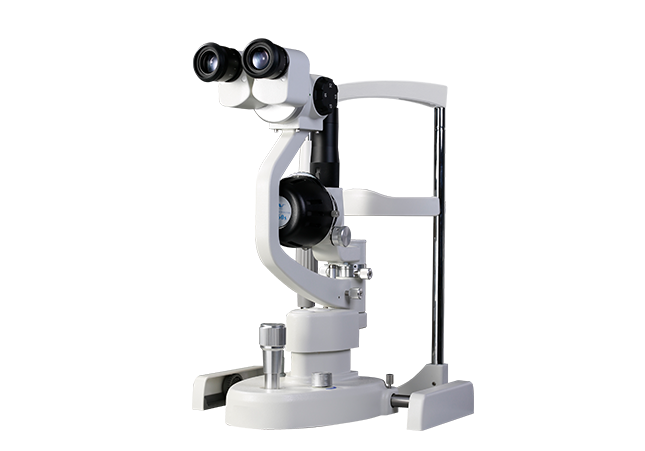
A slit lamp can look clean while its controls, cables, or support mechanisms need attention. We approach maintenance as a working system, not a wiping schedule.
A slit lamp preventive maintenance plan should separate routine operator checks, approved cleaning, professional servicing, fault escalation, and recordkeeping. We base each task on the specific instrument's instructions and the clinic's responsibilities, rather than applying one procedure to every model.
For distributors and practice managers, the useful question is who does what when an instrument behaves differently. A practical plan makes that answer clear before an examination is interrupted.
Which Checks Belong in Routine Slit Lamp Care?
Unassigned checks are easy to miss during a busy clinic session. We start by giving each task a named owner and a documented reference.
Routine care should cover the installation environment, visible condition, normal controls, patient supports, and any checks authorised by the manufacturer. We keep operator observations separate from adjustments or repairs that require qualified service personnel.
Begin with the installed configuration
We record the slit lamp model, illumination arrangement, instrument table, attached imaging equipment, and any accessories before building the checklist. A change to the camera, power supply, or table may introduce a separate instruction manual. Treating the complete station as a single unnamed device makes it harder to identify which component needs attention.
Our starting observations are deliberately practical. Is the work area clear? Is a cable visibly damaged or caught in a moving part? Do the intended controls move as described in the instructions? Are the patient supports secure? Staff should report a change from expected behaviour, not improvise a correction simply to keep appointments moving.
A historical guide, How to look after and care for a slit lamp, groups care around location, spare parts, cleaning, and operational checks. Published in 2010, it provides useful background for organising responsibilities. We would not adopt its intervals, chemicals, or repair suggestions in place of the current instructions for a selected instrument.
Build the schedule from requirements
We ask the equipment owner to identify which checks belong before use, after an incident, and at the manufacturer's specified service intervals. The frequency should come from the relevant instructions and local equipment-management policy. A busy room and an infrequently used outreach kit may need different operational arrangements even when they use similar equipment.
Each checklist entry should point to the instruction it implements. If no approved instruction exists for a proposed adjustment, that entry belongs in a service enquiry. This keeps a well-intentioned maintenance plan from becoming an unofficial repair manual.
| Area | Operator record | Escalation question |
|---|---|---|
| Installation | Cables and access remain clear | Has the arrangement changed? |
| Controls | Expected movement and illumination | Is a new fault apparent? |
| Patient supports | Visible condition and security | Is safe positioning uncertain? |
| Accessories | Correct model and attachment | Which manual applies? |
How Should Staff Separate Optical Cleaning from Contact-Surface Disinfection?
A method suitable for a touched surface may damage an optical component. We divide the station into care zones before choosing any products.
Optical cleaning and contact-surface disinfection have different purposes and material constraints. We request approved methods for each surface, then align those methods with the clinic's infection-control process. A general-purpose cleaner should not be assumed suitable for the whole instrument.
Identify surfaces before assigning products
We separate exposed optical surfaces, patient contact areas, operator controls, painted housings, displays, and electrical connections in the care sheet. Each zone may have its own restrictions. The correct question is not whether a cleaning product is popular, but whether the relevant equipment instructions permit it on that particular material.
The clinic should resolve any conflict between a proposed infection-control method and the equipment's care limits before routine use. We advise involving both the infection-control lead and the supplier or authorised service provider. Staff should not have to decide, between patients, whether an unfamiliar chemical might be acceptable on a coated lens or control panel.
A useful purchasing document identifies approved products or required product characteristics, application methods, relevant drying or contact requirements, and restrictions on liquid entry. It should also clarify whether disposable covers or other accessories are permitted. We leave the actual procedure to the applicable instructions rather than prescribing a universal concentration or contact time.
Make the process usable across shifts
We recommend keeping the approved care instructions accessible at the station. Supplies should be clearly identified so optical-care materials are not confused with items used elsewhere in the room. Training should include recognising damage, missing labels, unsuitable substitutes, and uncertainty about a surface.
The handover matters as much as the cleaning itself. A staff member should know how to mark equipment that is awaiting clarification, and who can authorise its return to use. If a new product replaces an established cleaning supply, the change needs review before it reaches the instrument. Otherwise, a routine purchasing substitution can quietly change the equipment-care process.
| Care zone | Document to obtain | Change requiring review |
|---|---|---|
| Exposed optics | Optical-care instructions | New material or cleaning product |
| Patient contact surfaces | Approved disinfection method | Different chemical or accessory |
| Controls and displays | Surface and liquid-entry limits | Unclear labelling or damage |
| Electrical areas | Isolation and service instructions | Spill or suspected liquid entry |
Which Warning Signs Require the Device to Be Taken Out of Use?
A fault becomes harder to manage when nobody has authority to stop using the station. We define that authority before an urgent situation arises.
When safety, stable positioning, or reliable operation is uncertain, we recommend removing the affected equipment from clinical use and following the documented escalation procedure. Qualified personnel should determine the fault, any repair, and the conditions for return to service.
Describe the observation without guessing the repair
We ask operators to record what changed, when it occurred, and which control or component was involved. Visible cable damage, unexpected movement, insecure patient supports, or an unexplained change in illumination deserve prompt review. Staff should follow the manufacturer's warnings and the clinic's incident procedure rather than using this list as an exhaustive diagnostic test.
A good report distinguishes an observation from an explanation. "The table stopped during downward movement" gives a service contact a starting point. "The motor needs replacing" is a diagnosis that may not be justified. Recording the actual symptom helps avoid unnecessary parts orders and prevents different staff members from making incompatible adjustments.
If an incident could affect examination results, the clinical team should decide whether any patient-related follow-up is necessary. The equipment supplier can assist with the device investigation, but it does not replace the clinician's responsibility for interpreting findings. We keep that decision separate from the mechanical repair record.
Control the route back into use
We recommend clearly identifying equipment awaiting service so another shift does not unknowingly reuse it. The continuity plan might involve another suitable station, rescheduling, or a different approved workflow. It should not depend on bypassing a safety feature or using an unapproved replacement component.
The service handover should specify who can inspect the unit, which activities require authorisation, and how functional checks are recorded afterward. A device that powers on is not automatically ready for clinical use. The relevant performance and safety checks must match the work performed and the manufacturer's requirements. Keep the release decision with the responsible equipment owner or qualified team.
| Observed concern | Immediate management question | Record to retain |
|---|---|---|
| Damaged electrical component | How is use safely stopped? | Symptom and incident report |
| Unstable support or movement | Can positioning be trusted? | Configuration and fault description |
| Changed optical behaviour | Is professional review required? | Conditions when change appeared |
| Completed repair | Who authorises return to use? | Service and acceptance record |
How Can a Maintenance Log Improve Troubleshooting and Service Handover?
A brief fault message without a model or history can delay useful support. We design the log to answer the service team's first questions.
A useful maintenance log connects the exact equipment configuration with observations, care records, reported faults, approved work, and return-to-service checks. We use it to support consistent decisions, not to produce paperwork that nobody reads.
Keep records specific enough to act on
We include the equipment identifier, model, relevant serial information, installed accessories, location, and applicable manual revision. Each event should name the person recording it and describe the observation or completed task. An attachment can show equipment damage or a control setting, provided it does not expose patient information.
The log should also distinguish scheduled work from fault-related work. A routine inspection that found no concern is different from an examination interrupted by intermittent movement. Keeping those categories separate makes recurring problems easier to recognise without treating every service entry as proof of product failure.
For a distributor, the same structure helps connect customer reports with the correct configuration. We recommend retaining part numbers, revisions, authorisations, and the outcome of service work. A component that looks similar to an earlier version should not be substituted without confirmation of suitability for the device being serviced.
Close the loop after support
We assign an owner to every open issue. That owner tracks the requested information, service recommendation, action taken, and final check. If a problem returns, the next technician can review the prior outcome rather than restarting the enquiry from a vague message.
The Hongdee Vision slit lamp page is a starting point for identifying the product family. For applicable care or service documents, contact Hongdee with the exact model, accessory configuration, and a clear description of the issue. We recommend requesting written confirmation of the relevant instructions and support scope. Avoid sending patient images unless a separately authorised, appropriate process genuinely requires them.
| Log field | Useful content | Reason to keep it |
|---|---|---|
| Equipment identity | Model and installed accessories | Selects applicable instructions |
| Event | Observed condition or completed check | Separates facts from guesses |
| Action | Authorised work and parts | Preserves service history |
| Closure | Test outcome and responsible person | Records the release decision |
Conclusion
We build slit lamp maintenance around clear responsibilities, approved care methods, timely fault escalation, and useful records. The strongest plan follows the exact equipment configuration and makes safe service decisions easy to trace.